

Water Workouts: A Low-Impact Way to Build Strength, Improve Fitness, and Protect Your Joints When most people think about exercise, they picture a gym, a treadmill, or lifting weights. But one of the most effective forms of exercise doesn't take place on land at all. Water workouts provide a unique combination of cardiovascular training, strength development, mobility work, and joint protection that is difficult to replicate in a traditional fitness setting. Whether you're recovering from an injury, managing arthritis, looking for a low-impact alternative to running, or simply seeking a new fitness challenge, exercising in the water offers benefits for people of nearly every age and fitness level. Why Water Works Water creates a training environment unlike any other. When you step into a pool, your body becomes partially buoyant, reducing the stress on your joints, spine, and connective tissues. Depending on water depth, your body weight may be reduced by 50–90%. This means you can move more comfortably while still receiving a challenging workout. At the same time, water creates resistance in every direction. Unlike traditional strength training, where resistance is provided by weights or machines, water naturally resists every movement you make. The result is a workout that is gentle on the body yet surprisingly challenging. The Benefits of Water Exercise Reduced Joint Stress One of the biggest advantages of water workouts is the reduction in impact forces. Individuals with: Arthritis Knee pain Hip pain Low back pain Joint replacements Previous injuries often find they can perform movements in the water that would be uncomfortable on land. Improved Cardiovascular Fitness Walking, jogging, jumping, and performing aerobic exercises in the water can significantly elevate heart rate and improve cardiovascular endurance. Because water cools the body efficiently, many people can exercise longer and more comfortably than during traditional workouts. Increased Strength Every movement in the water creates resistance. Simple exercises such as: Water walking Arm movements Leg kicks Squats Lunges can help improve muscular strength and endurance without placing excessive stress on the joints. Better Balance and Stability The constantly changing water environment challenges your balance and coordination. This makes aquatic exercise particularly beneficial for: Older adults Individuals with balance concerns People returning to exercise after injury Improved Flexibility and Mobility Warm water can help relax muscles and improve joint mobility. Many people notice they can move through a greater range of motion in the pool compared to exercising on land. Who Can Benefit from Water Workouts? Water exercise is remarkably versatile. It can be an excellent choice for: Active Older Adults Water workouts help improve: Strength Balance Endurance Functional movement while minimizing the risk of falls and reducing joint stress. Individuals Recovering from Injury After receiving medical clearance, aquatic exercise can be an excellent bridge between rehabilitation and a return to regular activity. Prenatal Clients Water provides support for the growing body during pregnancy and can help reduce: Joint discomfort Swelling Feelings of heaviness Many pregnant women find pool workouts more comfortable than traditional exercise during the later stages of pregnancy. Beginners For individuals who have not exercised in years, the water can provide a welcoming environment that feels less intimidating than a gym. Athletes Competitive athletes often use water workouts for active recovery, conditioning, and cross-training. What Does a Typical Water Workout Include? A well-designed aquatic workout may include: Warm-Up Water walking Gentle arm swings Dynamic mobility exercises Cardiovascular Training Water jogging High-knee marching Lateral movement drills Intervals Strength Training Squats Lunges Calf raises Push and pull movements Core exercises Balance Training Single-leg standing Dynamic balance drills Stability exercises Cool Down Gentle movement Stretching Breathing exercises Common Misconceptions About Water Exercise "Water workouts are only for seniors." Not true. Water workouts can be extremely challenging and are used by athletes, runners, cyclists, and fitness enthusiasts of all ages. "You can't build strength in the water." The resistance of water increases with increasing speed. Properly designed workouts can provide significant muscular challenge. "It's just floating around." Modern aquatic training programs incorporate strength, cardiovascular conditioning, balance, mobility, and functional movement training. Getting Started If you're new to water exercise, begin with simple movements and gradually increase intensity over time. Focus on: Good posture Controlled movement Proper breathing Consistency As with any exercise program, consult your healthcare provider before beginning a new fitness routine if you have medical concerns. Discover the Benefits of Water Fitness Water workouts offer a unique opportunity to improve fitness while minimizing stress on the body. Whether your goal is to increase strength, improve cardiovascular health, reduce joint discomfort, enhance balance, or simply enjoy a different type of exercise, aquatic training can be an effective and enjoyable solution. At Urban Fitness, we believe exercise should be accessible, effective, and sustainable. Water-based training provides an excellent way to stay active while protecting your body and supporting long-term health and wellness.
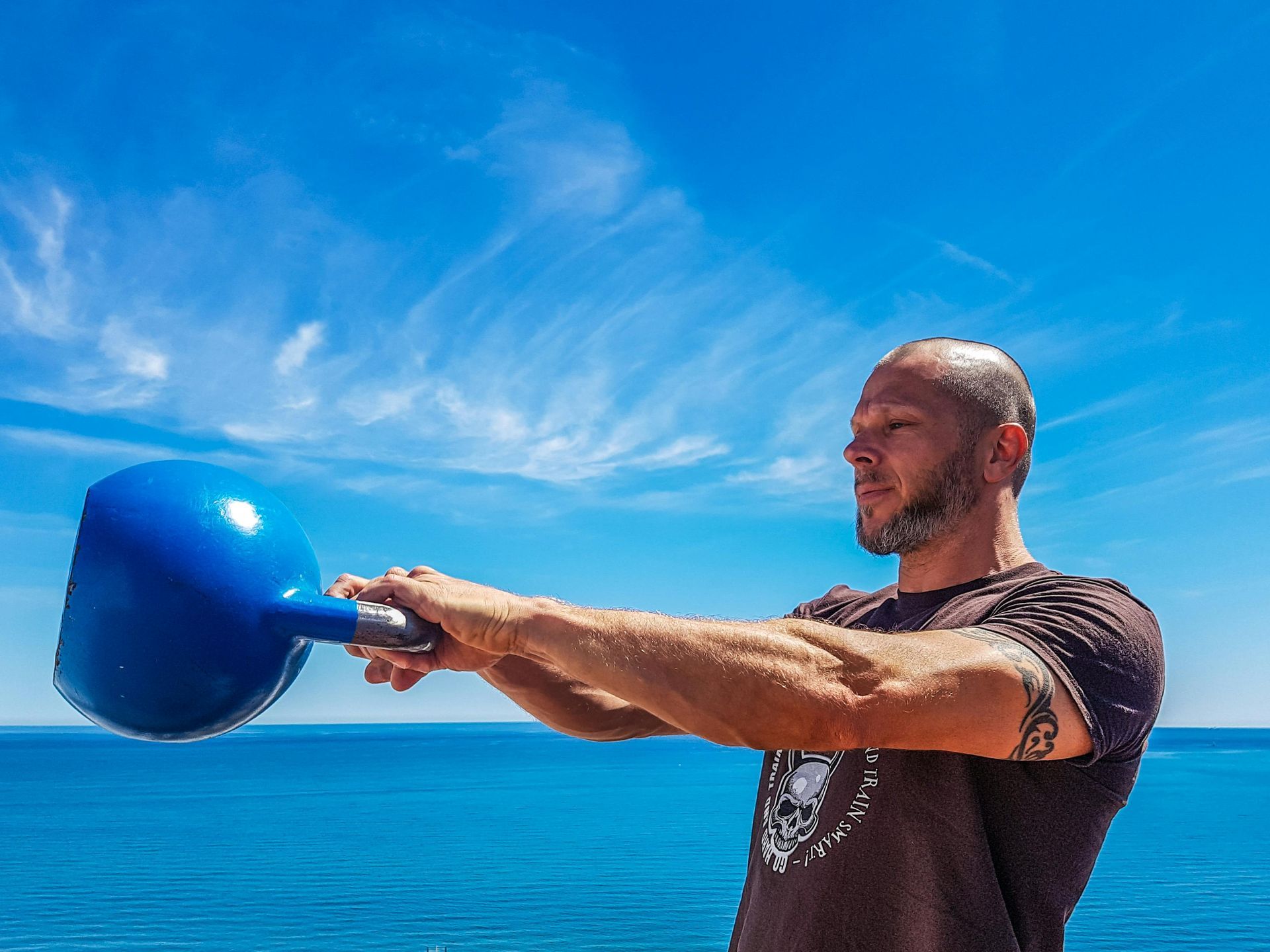
Kettlebells aren’t a trend—they’re one of the most efficient and results-driven tools in the fitness world. If you want strength, mobility, fat loss, and full-body conditioning without spending hours in the gym, kettlebells deliver. At Urban Fitness , I use kettlebell training with clients because the results come fast, the movements feel athletic, and the workouts are endlessly adaptable. Whether you're a beginner or an experienced lifter, kettlebells can reshape your routine—and your body—quickly and safely. Why Kettlebells Work So Well 1. Total-Body Strength in Less Time You don’t isolate one muscle group at a time. Most kettlebell movements use your legs, hips, glutes, core, shoulders, and arms all at once. You build more strength in less time. 2. Serious Calorie Burn Because kettlebell exercises are dynamic, your heart rate stays high even during strength movements. This means: More calories burned Faster fat loss Better conditioning 3. Improved Athletic Movement Kettlebells train the body to move naturally and powerfully. They improve: Hip mobility Balance Coordination Posture This makes everyday movement easier and reduces injury risk. 4. Simple Equipment, Endless Options One kettlebell can deliver: Strength training Cardio Mobility work Power development And it doesn’t take up space in your home. 5. Perfect for Any Fitness Level Kettlebells scale up or down easily. Beginners use light weights and focus on form, while advanced clients can use heavy weights to build serious power. 5 Essential Kettlebell Exercises Everyone Should Learn These are staples at Urban Fitness—simple, effective, and perfect for all levels. 1. Kettlebell Deadlift Builds strong glutes, hamstrings, and lower back safely. 2. Kettlebell Swing The king of kettlebell movements. Great for fat loss, power, posture, and core strength. 3. Goblet Squat Improves leg strength, mobility, and upright posture. 4. Kettlebell Press A shoulder-strengthening movement that teaches stability and control. 5. Kettlebell Row Builds upper back strength to improve posture and reduce neck/shoulder tension. Beginner Kettlebell Workout (Urban Fitness Style) Time: 20 minutes Equipment: One kettlebell you can comfortably lift for 10 reps Circuit: Repeat 3–4 times Deadlift – 12 reps Kettlebell Swing – 15–20 reps Goblet Squat – 10 reps Standing Press – 8 reps per arm Bent-Over Row – 10 reps per arm 30 seconds rest This workout hits every major muscle group, strengthens your core, and keeps your heart rate elevated so you're burning calories the entire time. Tips for Better Kettlebell Training ✔ Learn proper hip hinge mechanics Especially for swings and deadlifts—this protects your back. ✔ Don’t go too light Kettlebells are designed to be felt. A weight that’s too light won’t help you learn proper form. ✔ Breathe with the movement Exhale on exertion to keep your core engaged. ✔ Quality over speed Form always wins. Want a Custom Kettlebell Program? I design kettlebell workouts that match your goals and your current fitness level—whether you want fat loss, strength, athletic conditioning, or a complete training program. Urban Fitness – Personal Training in Palm Springs Call or text: 760-841-1000
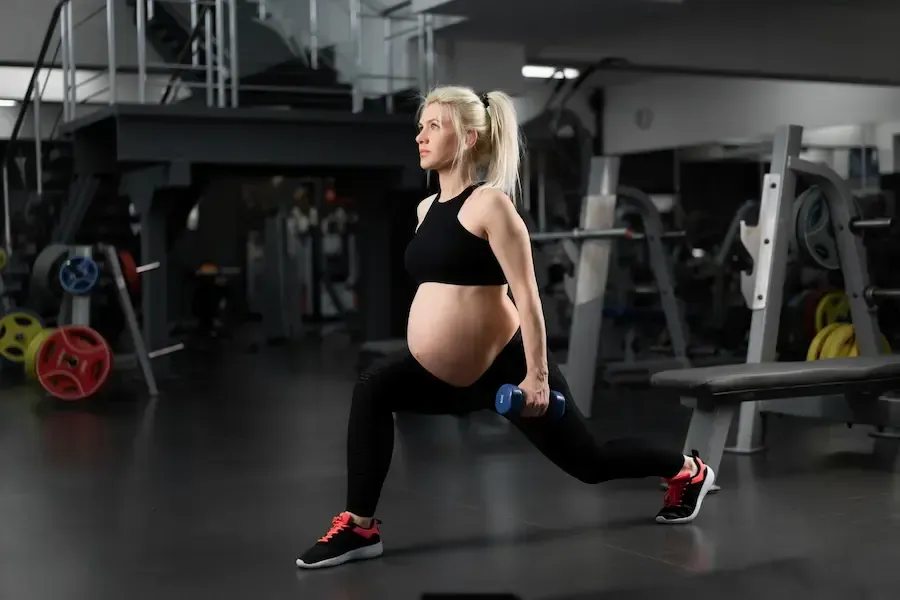
Pregnancy is a time of profound change — physically, emotionally, and mentally. Exercise during pregnancy not only supports your health but also helps prepare your body for labor and recovery. At Urban Fitness , we follow evidence-based recommendations, including the American College of Obstetricians and Gynecologists (ACOG) guidelines , to ensure your workouts are safe, effective, and tailored to each stage of pregnancy. ACOG Guidelines for Prenatal Exercise According to ACOG, most healthy pregnant women should aim for: At least 150 minutes per week of moderate-intensity aerobic activity. A combination of cardio, strength training, and flexibility work. Exercises that avoid increased risk of falling, abdominal trauma, or overheating. Monitoring intensity using the “talk test” — you should be able to carry on a conversation during exercise. Modifications may be necessary in the event of medical or obstetric complications. First Trimester (Weeks 1–13) In early pregnancy, fatigue and nausea can affect motivation, but this is a great time to establish a solid foundation. Focus Areas: Low-impact cardio: brisk walking, stationary cycling, swimming. Strength training: light weights or resistance bands to maintain muscle tone. Core stability: gentle pelvic tilts, seated stability ball exercises, breathing-based core activation. Flexibility: yoga or stretching to reduce tension. Avoid: overheating, prolonged exercise in hot environments, or high-risk activities like skiing or contact sports. Second Trimester (Weeks 14–27) As energy often improves and the baby bump becomes more visible, focus shifts to posture, balance, and joint protection. Focus Areas: Cardio: continue low-impact aerobic work; swimming is especially beneficial for reducing swelling. Strength: target back, glutes, and legs to support posture and reduce back pain. Squats, wall sits, and modified lunges are great choices. Pelvic floor work: incorporate Kegels and diaphragmatic breathing to prepare for delivery. Core safety: replace crunches with side-lying or seated core activations. Special Considerations: After 20 weeks, avoid exercises lying flat on your back (supine position), as it can reduce blood flow. Stability decreases — use support (wall, chair, barre) for balance exercises. Third Trimester (Weeks 28–Birth) The body is under its greatest physical stress — exercise should focus on comfort, circulation, and preparing for labor. Focus Areas: Gentle cardio: walking, water aerobics, stationary cycling — short and frequent sessions may be best. Strength: bodyweight and resistance band exercises for arms, hips, and legs to maintain stamina. Mobility & stretching: cat-cow stretches, seated hip openers, and supported yoga poses for comfort. Breathing & relaxation: integrate breathing patterns that can help during labor. Avoid: high-impact exercise, deep twisting, or movements that cause pain, dizziness, or contractions. Let's Work Together Exercising during pregnancy is not about pushing your limits — it’s about supporting your changing body, easing discomfort, and preparing for a strong recovery. With the right guidance, you can stay active safely in every trimester. At Urban Fitness , our trainers are certified in prenatal fitness and tailor each program to your unique needs. Whether you’re in your first, second, or third trimester, we’ll help you stay strong, safe, and confident throughout your pregnancy. 📞 Call 760-841-1000 to book your prenatal fitness consultation today.
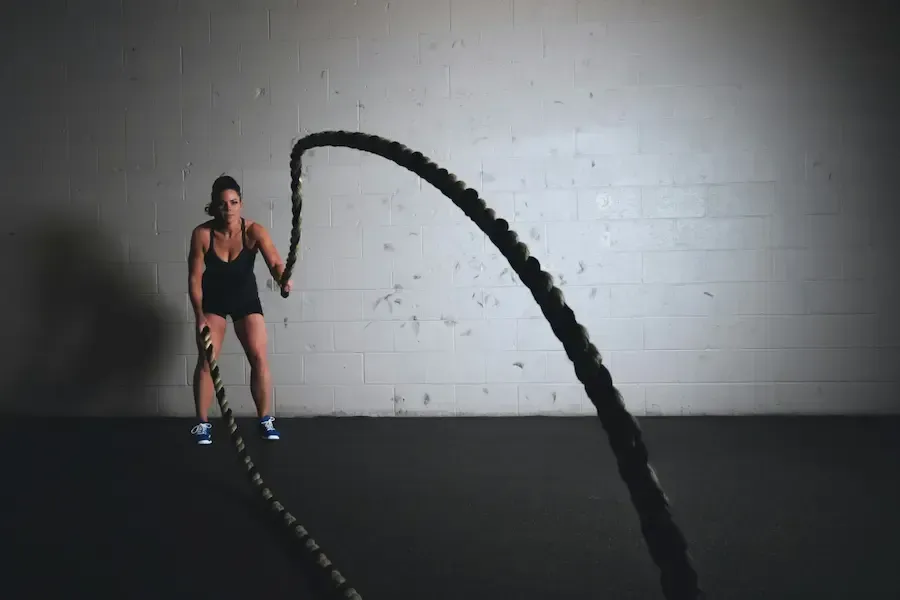
Your wedding dress is a key part of your big day, and how you feel in it is just as important as how it looks. Tailoring your pre-wedding workout to complement your dress's style can enhance your appearance and boost your confidence as you walk down the aisle. While I don't offer specific classes like yoga or HIIT, I can guide you through personalized workouts designed to focus on the areas most highlighted by your dress style. Here’s how you can prepare physically for different types of wedding dresses.

Planning a wedding can be both exciting and overwhelming, often leading to increased stress and anxiety. Yoga is a fantastic way to help brides stay calm, centered, and fit in the months leading up to the big day. It helps tone and strengthen the body, promotes relaxation, reduces stress, and improves mental clarity. This post will introduce a series of yoga poses perfect for brides who want to stay calm and focused while working on their fitness. Why Yoga is Beneficial for Brides
Almost any form of exercise will stimulate strength and muscle development. Unfortunately, misconceptions, myths, and misunderstandings plague the fitness industry, especially regarding strength training. There is a huge attrition rate among those starting a strength training program primarily because most people are not taught the principles essential for a safe and effective program. This article is part five of a five-part series discussing the very important principles and guidelines of a safe and effective strength training program. It discusses exactly how to avoid the common mistake of overtraining. The previous article, part four of this five-part series, discusses the importance of using the right amount of weight and number of repetitions for each set so you can achieve the results you desire. The following exercise guidelines are essential for your safety and the effectiveness of your strength training program. Avoid Overtraining If you feel burnt out, weak, and/or sore, you are probably overtraining. Not providing your muscles with enough rest will often prevent you from improving. Training the wrong muscle groups on consecutive days will also counteract your good results. Doing too many sets and exercises per muscle group will also cause overtraining. Remember that weightlifting, especially in an intense program, produces tissue microtrauma, tiny muscle tears that temporarily decrease strength and cause varying degrees of muscle soreness. It is necessary to provide ample rest time between successive training sessions. Muscles generally require about 48 hours to rest and rebuild before you work them again. You should never train the same muscle groups on two or more days in a row (abdominals are the exception). Hypothetically then, you would do your chest, shoulders, triceps, and abdominals on Monday; on Tuesday you would train your legs, back, biceps, and abdominals; you would take Wednesday off to give all your muscle groups extra rest; on Thursday you'd do chest, shoulders, triceps, and abdominals again; and on Friday you'd do legs, back, biceps, and abdominals again. This would allow two days (48 hours) of rest for each muscle between training days. Those who train very intensely would benefit significantly by taking even more rest time between sessions. A week does not have to be limited to only seven days--you can expand it to eight, nine, or even ten days. Think about it: why not? Day one could consist of chest, shoulders, triceps (pushing muscles), and abdominals on Monday. Take Tuesday off. On day two, Wednesday, the routine could consist of legs, back, biceps (pulling muscles), and abdominals. Take Thursday off. On Friday, you do chest, shoulders, triceps, and abdominals again--and so on. This is especially important when mixing pushing and pulling muscles for different sessions. For example, if you train your chest on Monday and then triceps the next day, your triceps never really get a complete rest because they are indirectly trained with your chest on Monday and directly trained on Tuesday. But if you split up chest/shoulders/triceps or back/biceps, working them on different days, you can implement this eight-day program for maximum muscle resting time. Remember: always allow your muscles a chance to grow, especially when you are feeling overtrained. If needed, give yourself an extra day off to grow. Never feel guilty about skipping a workout. That extra rest could be precisely what your body needs. Many people make the mistake of doing too many sets per exercise, and/or doing too many exercises per muscle group. It's very common for people who want great muscle size and strength gains to do too much for each muscle group and overtrain to the point where they do more harm than good. A standard weightlifting recommendation is to do at least four sets for each exercise and at least four exercises for each muscle group. This idea that "more is better" is a big misconception in the strength training industry and is recommended in many "muscle magazines" and other sources. But when you see Mr. or Ms. Olympia in muscle magazines describing their workouts of four to five sets per exercise and four to five exercises per muscle group, do not be fooled into thinking that if you want their results, you have to do what they do. These are professional bodybuilders, quite likely to be on steroids; they can get away with these very intense, long programs because their muscles can rebuild very quickly. If you are not on steroids--and for the sake of your health, I hope you are not--your muscles will not be able to rebuild themselves quickly enough to make gains. Two to four exercises for each muscle are enough for each skeletal group, such as the back, chest, shoulders, quadriceps, and the body's large muscles, hamstrings. One to three exercises are enough for smaller muscle groups, such as biceps, us, calves, and trapezius. Because your back, for example, has specific muscles that need to be isolated, it is essential that of the three exercises you perform, you do one that primarily targets each of the three areas: upper-middle back, lats, and lower back. When you do two to four exercises for each muscle group, please ensure you don't duplicate movements of specific muscle groups. For example, it makes no sense to do three sets of Bench Press using a barbell and then do three sets of Bench Press using dumbbells or Push-ups. Each exercise requires the same movement and works the same specific muscle. Instead, it would make much more sense to do bench press for the overall middle chest (either barbell, dumbbell, or machine), incline bench press for the upper chest, and dips for the lower-outer chest. One point--maybe the most important of all for ongoing strength training programs--that is imperative to understand and implement into your training regimen is the need to overcome training plateaus. Ideally, you want always to be going through a momentum phase in which you try something new and "shock" your muscles, forcing them to make gains. Eventually, however, you will reach a point in your training where you either get bored or stop seeing results. When this happens, it is absolutely crucial that you change what you are doing; this is when you need to get creative by incorporating something new into your program. You can make effective changes in your program in many ways: try new or alternate exercises, change the order in which you train your muscles or the order of the exercises, and so forth. I hope you find the information in this five-part series of articles helpful. You now know how to achieve the desired results and the benefits your body deserves. Your greatest challenge, however, is not learning new exercises or the proper technique; it's not learning how many sets or reps to do or how much weight to use. Nor is it deciding when or how to change your routine. The greatest challenge facing you now is deciding whether you are willing to take action and prioritize strength training. When you begin achieving great results, the excitement and fun you experience will make the change worthwhile. Action creates motivation! Good luck: I hope you enjoy all the incredible benefits of an effective strength training program.

Many Americans view a healthy lifestyle as difficult to attain, and that's not much fun. Traditional diets have taught us that to lose weight, we must count calories, keep track of everything we eat, and deprive ourselves by limiting the amount--and kinds--of foods we eat. Diets tell us exactly what and how much food to eat, regardless of our preferences and individual relationships with hunger and satiety. Dieting can help us lose weight (fat, muscle, and water) in the short term, but it is so unnatural and unrealistic that it can never become a lifestyle we can live with, let alone enjoy! While few diets teach healthy low-fat shopping, cooking, and dining-out strategies, many offer unrealistic recommendations and encourage health-threatening restrictions. Even more critically, diets don't teach us the safest, most effective ways to exercise; they don't teach us how to deal with our cravings and desires or how to attend to our feelings of hunger and fullness. Eventually, we become tired of the complexity, the hunger, the lack of flavor, the lack of flexibility, the lack of energy, and the feeling of deprivation. We quit our diets and regain our lost weight; sometimes we gain even more! Each time we go on another diet of deprivation, the weight becomes more difficult to lose, and we become even more frustrated and discouraged. Then we eat more and exercise less, causing ourselves more frustration, discouragement, and depression. Soon, we are in a vicious cycle. We begin to ask ourselves, "Why bother?" We begin to blame ourselves for having no will power when we need clear, scientifically-based information that will help us develop a healthier lifestyle we can live with for the rest of our lives. Deliberate restriction of food intake to lose weight or prevent weight gain, known as dieting, is the path that millions of people worldwide are taking to reach a desired body weight or appearance. Preoccupation with body shape, size, and weight creates an unhealthy lifestyle of emotional and physical deprivation. Diets take control away from us. Many dieters get caught in a "yo-yo" cycle that begins with low self-acceptance and results in structured eating and living because we lack trust in our bodies and are unwilling to listen to and adhere to our bodies' signals of hunger and fullness. On diets, we distrust and ignore internal signs of appetite and hunger, and our need to be physically and psychologically satisfied. Instead, we depend on diet plans, measured portions, and a prescribed frequency for eating. As a result, many of us have lost the ability to eat in response to our physical needs; we experience feelings of deprivation, then binge, and finally terminate our "health" program. This, in turn, leads to guilt, defeat, weight gain, and low self-esteem, and then we're back at the beginning of the yo-yo diet cycle. Rather than making us feel better about ourselves, diets set us up for failure and erode our self-esteem. The attitudes and practices acquired through years of dieting are likely to result in a body weight and size obsession, low self-esteem, poor nutrition, and excessive or inadequate exercise. Weight loss from following a rigid diet is usually temporary. Most diets are too drastic to maintain; they are unrealistic and unpleasant; they are physically and emotionally stressful. And most of us resume our old eating and activity patterns. Diets control us; we are not in control. People who try to live by diet lists and rules learn little about proper nutrition and how to enjoy their meals, physical activity, and a healthy lifestyle. No one can realistically live in a diet mode for the rest of their life, depriving themselves of the true pleasures of healthy eating and activity. We Don't Fail Diets; They Fail Us! Decades of research have shown that self-initiated and professionally-led diets are ineffective at producing long-term health and weight loss (or weight control). When your diet fails to keep the weight off, you may say to yourself, "If only I didn't love food so much . . . If I could exercise more often . . . If I just had more will power." The problem is not personal weakness or lack of willpower. Only 5 percent of people who go on diets are successful. Please understand that we are not failing diets; diets are failing us. The reason 95 percent of traditional diets fail is simple. When you go on a low-calorie diet, your body thinks you are starving; it actually becomes more efficient at storing fat by slowing down your metabolism. When you stop this unrealistic eating plan, your metabolism is still slow and inefficient, so you gain the weight back even faster, even though you may still be eating less than you were before you went on the diet. In addition, low-calorie diets cause you to lose both muscle and fat in equal amounts. However, when you eventually gain back the weight, it is all fat and not muscle, causing your metabolism to slow down even more. Now you have extra weight, a less healthy body composition, and a less attractive physique. Diets require you to sacrifice by being hungry; they don't allow you to enjoy the foods you love. This does not teach you habits you can maintain after the diet. Most diet programs force you to lower your caloric intake to dangerously low levels. The standard theory is that you will lose weight if you eat fewer calories than you burn. But you're losing muscle and fat when you eat fewer calories than your body needs to maintain life-sustaining activities. Your body breaks down its muscles to provide the energy required for survival. Traditional diets that use calorie restriction to produce weight loss are no longer appropriate. Most weight-loss programs measure success solely in the number of pounds lost per weight loss attempt. Diets don't consider the quality of the process used to achieve that weight loss or the minimal likelihood of sustained weight loss. You must move away from low-calorie diets for long-term good health and focus on enjoyable physical activity and good nutrition. Exercising regularly and eating lean-supporting calories, protein, and carbohydrates, as well as reducing fat-supporting calories, will help you look and feel better and significantly reduce your risk of disease. America spends billions of dollars on different ways to fix people. Focusing more on prevention and improving our day-to-day behaviors could cut health care costs in half. Contrary to popular belief, leading a healthy lifestyle doesn't have to be difficult, painful, or time-consuming. Making gradual, simple changes in your diet and physical activity will significantly improve your health and well-being and can drastically reduce your risk of disease. If your weight management program is to be a success, everything you eat and exercise must be a pleasurable experience. If you're not enjoying yourself, you're unlikely to continue your program. It's that simple. These small, gradual changes are not painful or overwhelming, but the core of an exciting lifestyle you will look forward to. Take the frustration, guilt, and deprivation out of weight management, and allow yourself to adopt gradual, realistic changes into your life that will make healthy eating and physical activity a permanent pleasure. You will soon discover what your body is capable of and begin to look, act, and feel your very best. Good luck and enjoy all the incredible benefits of a healthy, active lifestyle.

Cardiovascular exercise has specific instructions on the frequency, duration, and intensity for maximum effectiveness and safety. These are the three crucial components of cardiovascular exercise that you need to understand and implement in your program. In addition, your cardiovascular program should include a warm-up, a cool-down, and stretching of the primary muscles used in the exercise. The last article, part one of this two-part series, explained the proper warming-up, stretching, and cooling-down methods and discussed the frequency and duration of a sound cardiovascular routine. You learned that cardiovascular exercise should be done a minimum of three times a week, a minimum of 20 minutes per session and should be done after a 5-10 minute warm-up (at a low intensity of 50-60% of max HR) and a 5-10 minute cool-down (at a low intensity of 50-60% of max HR) should follow. You should stretch the muscles used once your muscles are warm (after warm-up) and after cardiovascular exercise. This article, part two, discusses how to monitor exercise intensity and heart zone training. There are several ways to monitor the intensity of exercise. The best way to test the intensity is to take your heart rate during the exercise, within the first 5 minutes of your cardiovascular exercise session, and again just before the cool-down. You can check your heart rate during exercise in two ways. The most accurate one is to purchase a heart-rate monitor that you strap around your chest. It will give you feedback on a digital watch that tells you exactly your heart rate at a specific time in the exercise session. The other way to obtain your heart rate is by palpating (feeling) either the carotid, temporal, or radial artery. The easiest site is either the carotid or the radial artery. The carotid artery may be felt by gently placing your index finger on your neck, between the middle of your collarbone and jaw line. Palpating the radial artery is done by placing your index and middle finger on the underside and thumb side of your wrist. When taking your heart rate, measure it in beats per minute (counting the number of beats for 60 seconds). For convenience, many people take their pulse for 6 seconds and multiply that number by 10, or add a 0 behind the number just obtained. So, if in 6 seconds you counted 12 beats, that would mean your heart rate was 120 beats per minute (bpm). Although counting for 6 seconds is most convenient, remember that the longer the interval, the more accurate the results will be. For example, counting your heart rate for 30 seconds and multiplying that number by 2 will give a slightly more precise reading than counting your heart rate for 15 seconds and multiplying by 4, or 10 seconds and multiplying by 6. Whatever time interval you use, be consistent. Heart Zone Training How do you know if you are training too intensely or not intensely enough for what you want to achieve? This is where Heart Zone Training comes in. Refer to the chart below. The top of the chart reads "Maximum Heart Rate," which is 100% of your heart rate (the fastest your heart will beat). This is different for everyone. To use Heart Zone Training, determine your maximum heart rate (max HR). You can determine your max HR in one of two ways. One way is to use the age-predicted max HR formula, whereby you subtract your age from 220. So, if you are 40 years old, your predicted max HR would be 180 bpm. The other method, which is much more accurate and individualized, is having a medical or fitness professional administer a max HR test for you, which is usually done on a stationary bicycle or treadmill for several minutes and requires hard work. Thus, only those cleared by a physician should do this test. We do not explain how to administer this test because only trained professionals should do so. Please refer to the Global Health and Fitness Personal Training Directory for professionals in your area (may or may not be trained in administering a max HR test). Once you have determined your max HR, you must decide on a training zone. There are five zones, separated by 10% increments, each with different characteristics and benefits. Healthy Heart Zone The first zone is called the Healthy Heart Zone. This is 50-60% of your max HR. This is the easiest and most comfortable zone within which to train and is the one that is best for people who are just starting an exercise program or have low functional capacity. Those of you who are walkers most likely train in this zone. Although this zone has been criticized for not burning enough total calories and not being intense enough to get great cardiorespiratory benefits, it has been shown to help decrease body fat, blood pressure, and cholesterol. It also reduces the risk of degenerative diseases and has a low risk of injury. In this zone, 10% of carbohydrates are "burned" (used as energy), 5% of protein is burned, and a whopping 85% of fat is burned. Fitness Zone The next zone is the Fitness Zone, which is 60-70% of your max HR. Once again, 85% of calories burned in this zone are fats, 5% are proteins, and 10% are carbohydrates. Studies have shown that in this zone, you can condition your fat mobilization (getting fat out of your cells) while conditioning your fat transportation (getting fat to muscles). Thus, in this zone, you are training your fat cells to increase the rate of fat release and training your muscles to burn fat. Therefore, the benefits of this zone are not only the same as the healthy heart zone training at 50-60%, but you are now slightly increasing the total number of calories burned and providing a little more cardiorespiratory benefits. You burn more calories in this zone simply because it is more intense. Aerobic Zone The third zone, the Aerobic Zone, requires that you train at 70-80% of your max HR. This is the preferred zone if you are training for an endurance event. In this zone, your functional capacity will significantly improve, and you can expect to increase the number and size of blood vessels, vital capacity, and respiratory rate, as well as achieve increases in pulmonary ventilation and arterial venous oxygen. Moreover, stroke volume (amount of blood pumped per heartbeat) will increase, and your resting heart rate will decrease. What does all this mean? It means that your cardiovascular and respiratory systems will improve, and you will increase the size and strength of your heart. In this zone, 50% of calories burned are from carbohydrates, 50% are from fat, and less than 1% is from protein. And, because there is an increase in intensity, there is also an increase in the total number of calories burned. Anaerobic Zone The next training zone is the Threshold or Anaerobic zone, which is 80-90% of your max HR. Benefits include an improved VO2 maximum (the highest amount of oxygen one can consume during exercise) and thus an enhanced cardiorespiratory system, as well as a higher lactate tolerance ability, which means your endurance will improve. You'll be able to fight fatigue better. Since the intensity is high, more calories will be burned than in the other three zones. Although more calories are burned in this zone, 85% are from carbohydrates, 15% from fat, and less than 1% from protein. Red-line Zone The last training zone is the Redline Zone, which is 760-884-8840% of your max HR. Remember, training at 100% is your maximum heart rate (maximum HR); your heart rate will not get any higher. This zone burns the highest total number of calories and the lowest percentage of fat calories. Ninety percent of the calories burned here are carbohydrates, only 10% are fats, and less than one percent is protein. This zone is so intense that very few people can stay there for the minimum 20 minutes, or even five minutes (you should only train in this zone if you are in perfect shape and have been cleared by a physician to do so). Usually, people use this zone for interval training. For example, one might do three minutes in the Aerobic Zone, then one minute in the Redline Zone, and then back to the Aerobic Zone (this is called interval training and will be discussed further in a future article). I hope you find the information in this article helpful. You now know how to achieve the results you desire and the benefits your body deserves. Your greatest challenge, however, is not learning new cardiovascular exercises or the proper technique; it's not learning the heart rate zone to train at for your goals and interests or how to monitor the intensity. Nor is it deciding when to try new cardiovascular exercises. The greatest challenge facing you now is deciding whether you are willing to take action, make time for yourself, and prioritize cardiovascular exercise. When you begin achieving great results, the excitement and fun you experience will make the change worthwhile. Action creates motivation! Good luck: I hope you enjoy all the incredible benefits of an effective cardiovascular exercise program.

Almost any form of exercise will stimulate strength and muscle development. Unfortunately, misconceptions, myths, and misunderstandings plague the fitness industry, especially regarding strength training. There is a huge attrition rate among those starting a strength training program primarily because most people are not taught the principles essential for a safe and effective program. This article is part four of a five-part series discussing the fundamental principles and guidelines of a safe and effective strength training program. This article outlines how much weight you should use and the number of repetitions you should do for desired results. I'll also explain how to increase your weight to stimulate further gains gradually. The previous article, part three of this five-part series, discussed the importance of proper lifting technique, exercising through the full range of motion, the appropriate exercise sequence, and the correct number of sets to do for what you're trying to achieve. The following exercise guidelines are essential for your safety and the effectiveness of your strength training program. Relationship Between Resistance and Repetitions Understanding the inverse relationship between exercise resistance and exercise repetitions is essential. When exercising to the point of muscle fatigue, most people can complete about six repetitions with 85 percent of maximum resistance. "Maximum resistance" is the weight you can lift once in good form. Most people can complete eight repetitions with 80 percent of maximum resistance, 10 with 75 percent of maximum resistance, and 12 with 70 percent of maximum resistance. For most people (those seeking muscle strength and tone), 8-12 repetitions with 70-80 percent of maximum resistance is a sound training recommendation for strength and muscle development. Most people do not bother finding their one-rep maximum for each lift to obtain the appropriate weight for each set of 8-12 repetitions. This would get pretty tedious, especially when you are learning a new exercise. The best and easiest way to determine how much weight you should use on each lift is to take your best conservative guess. After warming up using a light weight for 12 or 20 reps, choose a weight for your next set that will challenge you for your goal number of repetitions. If you are unsure what that weight should be, select a weight that is likely too light, rather than making the mistake of going too heavy and not reaching your desired number of repetitions. For example, say you are trying to decide the proper weight for 12 repetitions on the Shoulder Press. Choose a light, conservative weight slightly heavier than your warm-up and do the set 12 times (repetitions or reps). When you come to your twelfth repetition, if you can perform another repetition or two, while still using good form, you might as well do that (to promote blood flow to the shoulder muscle further). Since you know that the weight you chose was a little too light (your 12th repetition was not a challenge), next time choose a slightly heavier weight that will challenge you for all twelve repetitions, or whatever your goal number of repetitions happens to be. Important Note: Your strength may gradually decline as you progress through your routine. For example, on your first set (after warm-up) of the Bench Press, you did 12 reps with 150 pounds--this would force a good amount of blood and fatigue your chest muscles. If you're trying to figure out the appropriate weight for 10 reps for your second set, you may or may not want to increase the weight slightly. That is, 150 pounds might be challenging for 10 reps because your muscles are a little fatigued from the first set. So, try to be intuitive and pick an appropriate weight based on the weight you used on the previous set and how tired your muscles feel. It is essential that the weight you choose for each set challenges you for all of your desired repetitions, whether the number is 6, 8, 10, or 12 repetitions. Similarly, if you choose a weight that does not allow you to perform all the desired repetitions in good form, do as many as possible and choose a lighter weight for the next set. It is a good idea to record the weights you use on each lift so that when you perform the same exercise at another workout, you know what weight to use on each exercise set. In general, if your goal is to get notably bigger and significantly stronger, you will want to do fewer reps with more weight, so 6-10 reps is a good target for you on most exercises. Sometimes, even as few as two reps will be enough on exercises like the bench press and squats. If you are more concerned with creating muscle tone, your rep number should be 10-15. Most people's goal is a combination of muscle strength, size, and tone; the target number for these folks should stay between 8 and 12 repetitions. Just so you know, however, that whether you are going for six reps or 15, always pick a weight that will challenge you for the complete set. Progressive Resistance As your muscles adapt to a given exercise resistance (weight), that resistance must gradually increase to stimulate further gains. The key to strength and muscle development is progressive resistance, which is also called "exercise progression," or "the overload principle." This is the gradual and continual addition of weight to the exercise over time, as the previous weights become too easy to lift, so your muscles are continually forced to work harder and thus increase muscle strength, size, and tone. For example, you might start pressing (lifting) 20 pounds in the Front Shoulder Press. After two or three weeks, you may find that pressing 20 pounds has become too easy, and that you can do more than your chosen number of repetitions with little or no difficulty. The progression principle demands that as soon as the weight you are using is no longer a challenge, you must raise it. You progressively increase the weight you use for a lift to continue to gain muscle tone, size, and strength. You must increase the weight only if the previous weight is too light; increasing the weight to push yourself harder can result in poor form and increase the risk of injury. Please understand that an increase in repetitions is an increase in strength. Many people think strength gains are only obtained when they increase the weight. But if you have increased the number of repetitions you can do with good form, you have increased your strength and more than likely, your muscle size and tone. Please check back for Part Five, where I'll discuss exactly how to avoid overtraining. Until then, be sure to use the right amount of weight and number of repetitions for each set you do so you can achieve the results you desire. Good luck, and enjoy all the incredible benefits of strength training.

Almost any form of exercise will stimulate strength and muscle development. Unfortunately, misconceptions, myths, and misunderstandings plague the fitness industry, especially regarding strength training. There is a huge attrition rate among those starting a strength training program primarily because most people are not taught the principles essential for a safe and effective program. This article is part three of a five-part series discussing the fundamental principles and guidelines of a safe and effective strength training program. This article discusses the importance of proper lifting technique, exercising through the full range of motion, proper exercise sequence, and the correct number of sets to do for your goal. The previous article, part two of this five-part series, explained the importance of forcing blood and proper lifting speed to your muscles. The following exercise guidelines are essential for your safety and the effectiveness of your strength training program. Form/Technique The most common and critical training mistakes may be those related to exercise technique. The tendency to use too much weight typically results in poor form, which decreases your ability to get results and increases the risk of injury. Examples of poor form or technique are: bouncing the bar off the chest in the Bench Press; using hip and back extension to initiate Bicep Curls; arching the back or bending backward under Shoulder Presses; using any momentum in any exercise; and training at fast speeds. These mistakes will not send the blood you need into your muscles and will work counter to your goals. Please be aware of these mistakes and make sure they are removed from your program. Exercise Through Full Range of Motion Perform each exercise through a full range of motion, emphasizing the end of the positive phase. Full range exercise movements are advantageous for strengthening the prime-mover, or agonist muscles--the muscles directly trained in the exercise, such as the biceps in the biceps curl. Lifting in the full range of motion is also advantageous for stretching the antagonist muscles, which act in opposition to the agonist. In the Biceps Curl, the triceps are the antagonist. Training in the full range of motion enhances muscle strength and joint flexibility. Exercise Selection It is very important to select at least one exercise for each major muscle group to promote well-balanced muscle development. Training only a few muscle groups or one muscle group increases the risk of injury. Exercise Sequence Another essential element of strength training is exercise sequence. When performing various weightlifting exercises, proceeding from the larger muscle groups to the smaller muscle groups is advisable. This allows optimal performance of the most demanding exercises when fatigue levels are the lowest and you feel fresh. Another often overlooked reason is illustrated by the typical example of training both back and biceps. Ordinarily, you would want to train your back first, since it is the larger muscle group of the two; let's say you are doing the Rear Lat. Pull-down. In that exercise, you are indirectly working your biceps, too, since both muscle groups work in the pulling motion. You will be warmed up and ready to go, your bicep when you get there. This is the same for exercises requiring pushing motions, such as the chest, shoulders, and triceps. By the time you finish your chest exercises, your shoulders and triceps are warm and ready to train. Of course, you might not always do your "pulling" (back and biceps) and your "pushing" (chest, shoulders, triceps) motions on the same day--because as you reach a plateau you will want to change your exercises, the order that you do them, and the muscles that you train together, to provide a new stimulus and interest for yourself. I'll talk about this soon. Sets Another essential element is exercise sets. An exercise set is the number of successive repetitions performed without resting. The number of sets per exercise largely depends on goals, interests, and personal preference. We recommend that people treat their first set as a warm-up--12-20 reps with relatively light weight (done slowly). Then you can do either one, two, or three more sets--even up to six (strength and power program)--depending on whether you are at a beginning, intermediate, or advanced level and what you are trying to accomplish. If you are working on your second exercise for a particular muscle group, we recommend that you do either two or three sets since that muscle is already warmed up from the first exercise. Regardless of the number of sets performed, each petition— set—and each reshould be done in proper exercise form and under control. Please check back for Part four, where I'll discuss the inverse relationship between resistance and repetitions and the importance of progressive resistance. That is, I'll explain the amount of weight you should use and the number of repetitions you should do for the desired results. I'll also explain how to increase your weight to stimulate further gains gradually. Until then, remember to use proper lifting technique, exercise through the full range of motion, exercise in the appropriate sequence, and use the correct number of sets for your goal. Good luck, and enjoy all the incredible benefits of strength training.